


Bored and Directionless
What to Do When You Don’t Know What to Do
Practical Steps to Find Direction and Purpose
Life is full of twists and turns, and at times, it can feel as though you’ve lost your way. Whether you’re facing a tough decision, questioning your career, or simply feeling stuck, uncertainty can be overwhelming. The good news? There are practical steps you can take to navigate these moments and find clarity. Below, we’ll explore actionable strategies to help you move forward with purpose and confidence
1. Move
Physical movement is a powerful tool for resetting your mind and lifting your mood. When you engage in exercise or even simple physical activities, you stimulate both your body and your brain, creating a positive ripple effect on your overall mental state.
Practical Steps:
Daily Walks: Dedicate 20–30 minutes a day to walking in nature or around your neighborhood. Fresh air and a change of scenery can do wonders for your perspective.
Try Something New: Take a yoga class, join a local sports team, or try an activity you’ve never done before. Novelty can reignite your curiosity and motivation.
Set Small Goals: Start small—run a mile, stretch for five minutes, or do a short workout. Achieving even minor goals boosts confidence and momentum.
Practice Power Poses: Stand tall with your shoulders back for a few minutes. Research shows that adopting “power poses” can improve your mood and confidence.
Mindful Movement: Engage in activities like tai chi or mindful walking to reconnect with your body and emotions.
2. Take People into Consideration
Sometimes, the best way to find purpose is to focus on others. Helping someone else can take your mind off your own worries and remind you of the value you bring to the world. Strengthening relationships and contributing to others’ well-being can foster a deep sense of meaning.
Practical Steps:
Volunteer: Join a cause you care about, whether it’s mentoring, assisting at a food bank, or supporting an animal shelter.
Perform Random Acts of Kindness: Pay for a stranger’s coffee, write a heartfelt thank-you note, or leave a kind message for a friend.
Deepen Connections: Reach out to someone you haven’t spoken to in a while. Simply listening and being present can make a big difference.
Gratitude List: Write down a list of people who have positively influenced your life. Reflect on ways you can give back to them.
Start a Group Project: Collaborate with others on something meaningful, like organizing a community event, starting a book club, or launching a creative initiative.
3. Be Quiet and Listen to the Unconscious

Amid the noise of daily life, finding moments of stillness is essential. Writing, meditating, or journaling can help you connect with your inner self, uncover hidden thoughts, and gain clarity about what truly matters.
Practical Steps:
Morning Journaling: Spend 5–10 minutes each morning jotting down your thoughts or setting intentions for the day. This clears mental clutter and brings focus.
Ask Yourself Questions: Use prompts like, “What am I feeling right now?” or “What’s one small action I can take today?” to guide your reflection.
Meditate: Practice mindfulness or guided meditation to quiet your thoughts and tune into your emotions. Apps like Calm or Headspace can help you get started.
Freewriting: Set a timer for 10 minutes and write whatever comes to mind without judgment. This can uncover insights you didn’t realize you had.
Create a Vision Board: Combine reflection and visualization by gathering images, words, or drawings that represent your dreams and goals.
4. Practice Self-Compassion
When you’re uncertain, it’s easy to be hard on yourself. But self-criticism only makes things worse. Instead, practice self-compassion—treat yourself with the same kindness you’d offer a close friend.
Practical Steps:
Positive Self-Talk: Replace negative thoughts with affirmations like, “I am capable of figuring things out.”
Forgive Yourself: Acknowledge past mistakes without dwelling on them. Use them as opportunities for growth and learning.
Take Breaks: Give yourself permission to rest without guilt. Sometimes stepping away from the problem can bring a fresh perspective.
Celebrate Small Wins: Recognize and reward small achievements, even if they feel insignificant. Each step forward is progress.
5. Learn Something New

At Uncaged Life Coaching, we believe that you are the author of your life.
Journaling is the pen that helps you write your story. Instead of letting life “happen” to you, journaling empowers you to:
Take control of your narrative by clarifying your values, goals, and desires.
Reframe challenges as opportunities for growth.
Align your daily actions with your long-term vision.
One participant in the Author of Your Life Program shared: "Journaling helped me realize I was living by default, not by design. Once I started writing about my goals and values, I gained the clarity and confidence to take control of my life. It’s been a game-changer."
6. Develop Emotional Intelligence (EQ)
Building emotional intelligence is a key skill for navigating uncertainty. EQ helps you understand and manage your emotions while empathizing with others, ensuring you respond thoughtfully to life’s challenges.
Practical Steps:
Self-Awareness: Pay attention to your emotions and ask yourself why you’re feeling a certain way. Journaling can help.
Mindfulness Practices: Stay present and observe your emotions without judgment. This reduces anxiety and increases clarity.
Active Listening: When talking to others, focus entirely on what they’re saying. Reflect their words back to ensure you understand.
Empathy Exercises: Put yourself in someone else’s shoes. Ask, “What might they be feeling right now?”
Regulate Emotions: Use techniques like deep breathing or counting to ten to stay calm when emotions run high.
7. Set Small, Achievable Goals
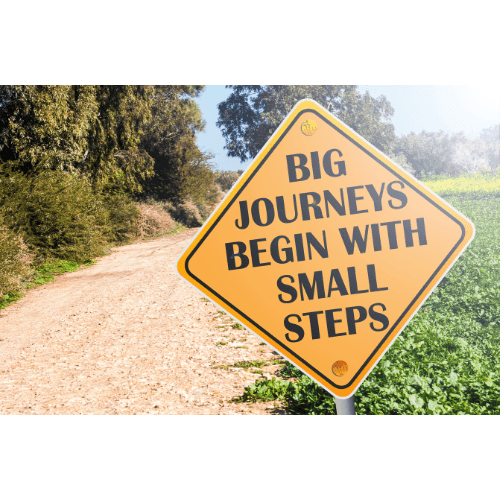
When life feels overwhelming, breaking things down into manageable steps can help. Setting small goals gives you a sense of direction and accomplishment.
Practical Steps:
Choose One Thing: Pick one small task to focus on each day, like organizing your workspace or calling a friend.
Break Big Goals into Steps: If your ultimate goal feels daunting, divide it into smaller, actionable milestones.
Track Your Progress: Use a journal, checklist, or app to monitor your wins. Seeing progress builds momentum.
Reward Yourself: Celebrate each step forward, no matter how small. Recognizing your efforts reinforces positive habits.
Conclusion
Uncertainty is a natural part of life, but it doesn’t have to leave you feeling paralyzed.
By incorporating movement, helping others, listening to your inner voice, practicing self-compassion, learning new skills, and building emotional intelligence, you can navigate these challenging moments with resilience and purpose.
Remember, it’s okay to take small steps. Often, those seemingly insignificant actions lead to the greatest breakthroughs. When you don’t know what to do, start with one thing—and trust that clarity will follow.
Let us know what you think in the comments!


Created with ©systeme.io