


How to Release Stress and Regain Focus with Breathing Techniques
Have you ever felt overwhelmed by stress, anxiety, or intense emotions?
In moments like these, your breath can be your greatest ally. Breathing techniques are simple yet highly effective tools to help you calm your mind, regulate your emotions, and bring your body back to balance. Two popular methods—4-7-8 breathing and box breathing (4-4-4-4)—are particularly powerful for stress relief and emotional regulation.
Let’s explore these techniques, how they work, and the benefits they can bring to your emotional and physical well-being.
The 4-7-8 Breathing Technique
The 4-7-8 breathing technique is a relaxation exercise designed to calm your nervous system, reduce stress, and promote emotional balance. It’s a simple pattern of controlled breathing that involves inhaling, holding your breath, and exhaling in a deliberate rhythm.
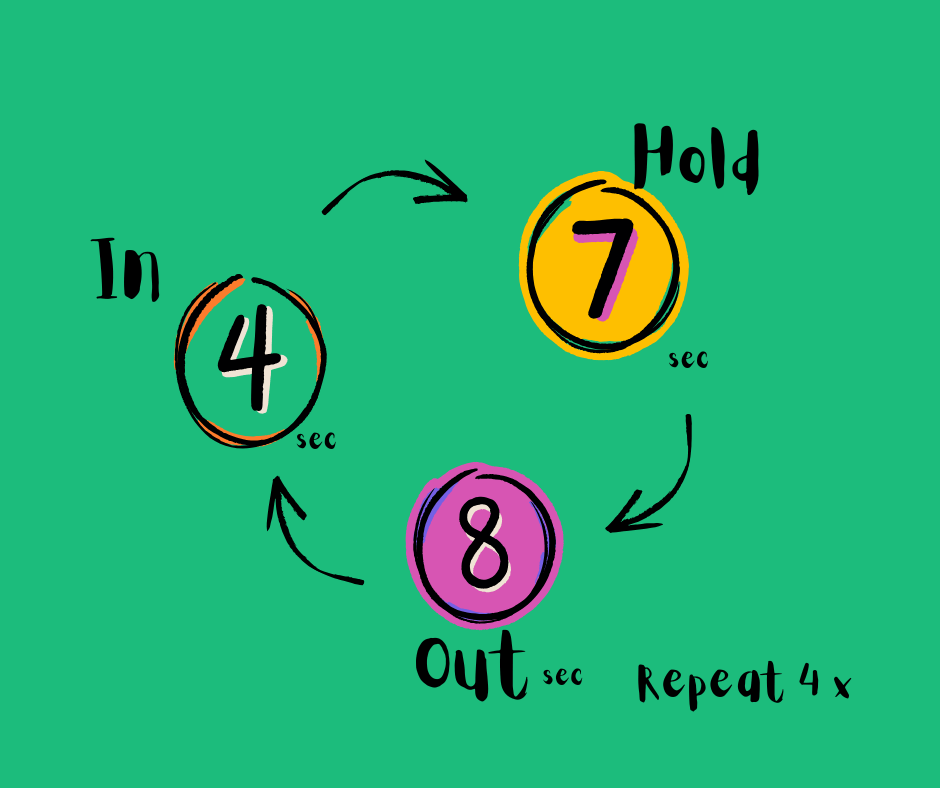
How It Works:
1. Inhale through your nose for a count of 4 seconds.
2. Hold your breath for a count of 7 seconds.
3. Exhale slowly and completely through your mouth for a count of 8 seconds.
4. Repeat the cycle for four full rounds.
This technique engages your parasympathetic nervous system, which is responsible for the "rest and digest" response. By practicing 4-7-8 breathing, you signal to your brain that it’s safe to relax, helping to reduce stress and anxiety.
Benefits of 4-7-8 Breathing:
Reduces Stress and Anxiety: Slows your heart rate and lowers cortisol (the stress hormone).
Improves Sleep: Calms a racing mind, making it easier to fall asleep.
Enhances Emotional Regulation: Helps you pause and process emotions before reacting impulsively.
Promotes Relaxation: Creates a sense of calm and balance, even in high-stress situations.
Box Breathing (4-4-4-4 Technique)
Another highly effective breathing technique for stress relief is box breathing(also known as square breathing). This method involves breathing in a steady, four-part rhythm, which helps you regain focus and bring your mind back to the present moment. It’s widely used by athletes, first responders, and military personnel to stay calm under pressure, but it’s also perfect for everyday use.
How it works:
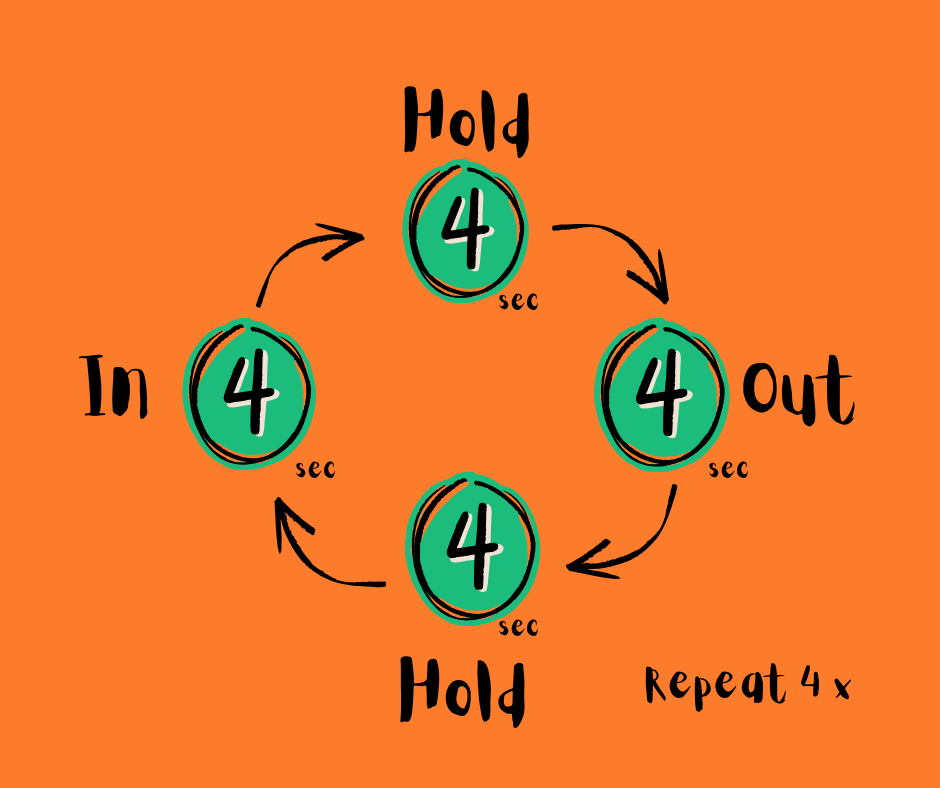
1. Inhale through your nose for a count of 4 seconds.
2. Hold your breath for a count of 4 seconds.
3. Exhale slowly through your nose or mouth for a count of 4 seconds.
4. Hold your breath again for a count of 4 seconds.
5. Repeat the cycle for 4–5 minutes or as needed.
Box breathing is called "box" breathing because the equal counts of 4 seconds for each phase create a square-like rhythm. This rhythmic breathing helps stabilize your heart rate, calm your nervous system, and improve focus.
Benefits of Box Breathing:
Reduces Physical Tension: Slows your breathing and heart rate, easing muscle tension.
Improves Focus and Clarity: Helps clear mental fog and centers your mind.
Balances Emotions: Provides a sense of control and calm during emotionally intense situations.
Promotes Relaxation: Quickly shifts your body from "fight or flight" mode to a state of balance.
When to Use These Breathing Techniques
Both 4-7-8 breathing and box breathing can be used in a variety of situations:
During Stressful Moments: Use either technique to calm your nerves before a challenging conversation, presentation, or decision-making process.
To Reduce Anxiety: Practice these exercises when you feel overwhelmed or emotionally unsettled.
Before Sleep: Use 4-7-8 breathing to quiet your mind and prepare your body for restful sleep.
To Enhance Focus: Turn to box breathing when you feel distracted, scattered, or unfocused.
As a Daily Practice: Incorporate these techniques into your routine to build long-term emotional resilience and a greater sense of calm.
Tips for Practicing These Techniques
1. Find a Quiet Space: Especially when you're new to these techniques, practicing in a distraction-free environment can help you focus.
2. Use Proper Posture: Sit upright or lie down comfortably, allowing your lungs to expand fully.
3. Focus on Your Breath: Pay attention to the sensation of air entering and leaving your body. If your mind wanders, gently redirect it to your breathing.
4. Practice Consistently: Like any skill, the benefits grow with regular practice. Start with 2–3 minutes per session and gradually increase.
Which Technique Should You Choose?
Both 4-7-8 breathing and box breathing are effective, but they serve slightly different purposes:
Choose 4-7-8 Breathing if you’re looking to deeply relax, reduce anxiety, or prepare for sleep. The extended exhale (8 seconds) is particularly effective for releasing tension.
Choose Box Breathing if you need to regain focus, improve mental clarity, or calm your emotions during a high-pressure situation. Its even rhythm provides stability and balance.
Final Thoughts
Breathing is one of the simplest yet most powerful tools for emotional regulation. Both 4-7-8 breathing and box breathing offer practical, effective ways to reduce stress, regain focus, and promote a sense of calm in your everyday life. The beauty of these techniques is that they require no special tools or equipment—you can practice them anytime, anywhere.
So the next time you’re feeling overwhelmed, take a moment to pause and focus on your breath. Whether you choose 4-7-8 breathing, box breathing, or both, you’ll be giving yourself the gift of calm, clarity, and control.
Would you like guidance on incorporating these techniques into your daily routine? Let me know!
Let us know what you think in the comments!


Created with ©systeme.io